

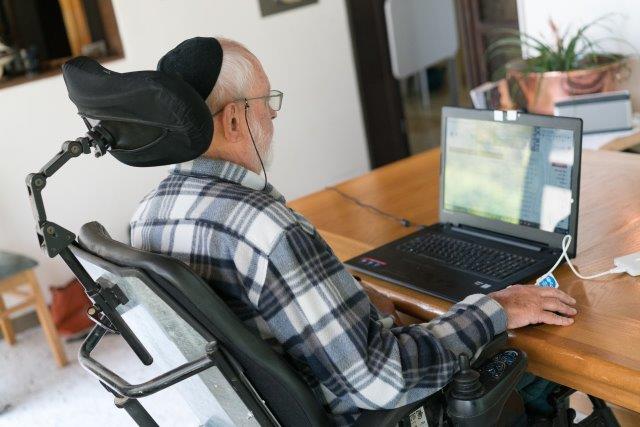
An Eye Tracking System is a cutting-edge technology designed to monitor, analyze, and interpret eye movements and gaze behavior, enabling hands-free interaction with digital devices. This innovative system can utilize a standard webcam to accurately track the user's gaze direction, blinking patterns, and eye movements. By leveraging computer vision algorithms and machine learning models, it identifies eye position and translates these inputs into actionable commands, such as controlling the mouse cursor, scrolling, or clicking.
A Gesture Control System is a technology that allows users to interact with digital devices or systems through hand or body movements, bypassing the need for traditional input devices like keyboards or mice. This innovative interface leverages natural human gestures to enable seamless and intuitive interaction, enhancing the accessibility and user experience of digital platforms. Gesture control system especially for users with physical disabilities, making the system more inclusive and user-friendly.

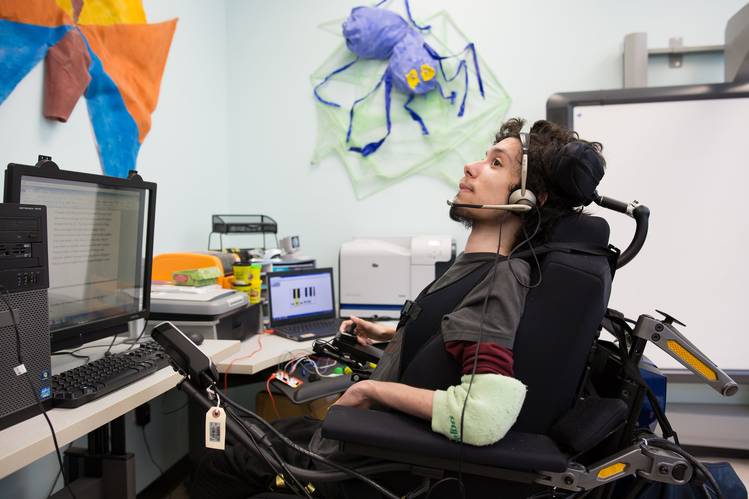
Speech-to-text (STT) technology converts spoken language into written text using machine learning and natural language processing (NLP). Integrating speech-to-text functionality effectively can enhance accessibility for handicapped individuals, especially those with motor disabilities, allowing them to interact seamlessly with the system using voice commands. This technology not only empowers users by eliminating the need for physical input devices but also fosters inclusivity by enabling natural and intuitive interactions.